English

Opening Statement COP31

*Português a seguir / Español sigue / Français suit / Русский следует

Opening Statement COP31

November 9, 2026

Koutou katoa, hakarongo mai

My name is Quack Pirihi, nō Patuharakeke ahau

We demand the right to share our wisdoms with you, our collective survival depends on it.

Our inherent, distinct, and collective rights are non-negotiable, and critical to climate action. We have borne the costs of burning fossil fuels, agribusiness, and extractive industries without our full free, prior and informed consent for generations. 

However, defenders such as our co-chair Daria Egereva, face violence, criminalization and reprisals when we speak up for our rights and our territories. 

For over thirty years we have brought Indigenous knowledges and sciences to these negotiations. Yet emissions continue to rise, putting 1.5°C beyond reach.

E kī e kī,

In Belém, Parties recognised our rights in paragraph 12(i) of the Just Transition Work Programme. COP31 must put this decision into practice across all negotiations with our full and effective participation, such as in the design and governance of the just transition mechanism. 

False solutions are devastating our territories. A super El Niño threatens to deepen that harm. Parties must commit to a full phase out of fossil fuels and ensure every climate project upholds our rights and protects our territories. 

The seven Indigenous socio-cultural regions demand:

  1. Rights based–adaptation that protects our tenure, customary use, research, education, and knowledge;

  2. Ensure all climate policies address the distinct priorities and lived realities of Indigenous women, youth and persons with disabilities;

  3. NDCs deliver measurable commitments with our full participation in design, implementation and monitoring; 

  4. Establish a permanent agenda under the CMA that includes an Indigenous–led pathway in the Fund for responding to Loss and Damage;

  5. All climate finance must enable direct access and governance for Indigenous Peoples’

  6. Commit to the Agriculture and Food Systems agenda, recognizing our knowledge, science, and practices for food sovereignty. 

  7. Respect the principles of no contact, precaution and intangibility of the territories of Indigenous Peoples in Voluntary Isolation and Initial Contact.

Kia kaha, kia māia, kia ū ki te kaupapa. 

Mauri ora ki tō tatou taiao

Tena tatou kaota.


Declaração da Sessão Plenária de Abertura da COP 31, 

9 de novembro de 2026

Lida por Quack Pirihi, (Ngāpuhi, Ngātiwai, Ngāti Whātua o Kaipara, Ngāti Manuhiri, Patuharakeke). // Kaitiaki Taiao / Environment Steward

Koutou katoa, hakarongo mai rā

Os direitos inerentes, distintos e coletivos dos povos indígenas são inegociáveis e devem ser respeitados em soluções climáticas concretas. Há gerações que arcamos com os custos da queima de combustíveis fósseis, do agronegócio e das indústrias extrativas, sem nosso consentimento livre, prévio e informado. A chamada “COP do Futuro” não pode permitir que isso continue.

Nossos direitos e nossa liderança são fundamentais para uma ação climática que proteja toda a vida. No entanto, defensores como nossa copresidente Daria Egereva enfrentam violência, criminalização e represálias quando defendemos nossos direitos e nossos territórios. 

Há mais de trinta anos, trazemos nossos conhecimentos e ciências para essas negociações; no entanto, as emissões continuam aumentando, ameaçando os compromissos com a meta de 1,5 °C e causando um super El Niño que traz impactos devastadores aos nossos territórios. 

As falsas soluções propostas em nome da mitigação das mudanças climáticas e da energia verde estão acelerando os impactos devastadores em nossos territórios. As Partes devem se comprometer com a eliminação total dos combustíveis fósseis, garantindo ao mesmo tempo que quaisquer projetos relacionados ao clima assegurem a inviolabilidade de nossos direitos e territórios.

Em Belém, as Partes reconheceram nossos direitos no parágrafo 12(i) do Programa de Trabalho sobre Transição Justa. A COP31 deve colocar essa decisão em prática em todas as negociações com nossa participação plena e efetiva, como na concepção e na governança do mecanismo de transição justa.

As sete regiões socioculturais indígenas exigem:

  1. Adaptação baseada em direitos que proteja a posse coletiva indígena, a pesquisa, a educação, o uso consuetudinário e os sistemas de conhecimento;

  2. Garantir que todas as políticas climáticas abordem as prioridades específicas e as realidades vividas pelas mulheres indígenas, pelos jovens e pelas pessoas com deficiência;

  3. Que as NDCs apresentem compromissos mensuráveis com nossa plena participação na concepção, implementação e monitoramento;

  4. Estabelecer uma agenda permanente no âmbito da CMA que inclua um caminho liderado por indígenas no Fundo para responder a Perdas e Danos;

  5. Todo o financiamento climático deve permitir acesso direto e governança para os povos indígenas;

  6. Comprometer-se com a agenda de Agricultura e Sistemas Alimentares, reconhecendo o conhecimento, a ciência e as práticas dos povos indígenas para a soberania alimentar. 

  7. Respeitar os princípios de não contato, precaução e intangibilidade dos territórios dos povos indígenas em Isolamento Voluntário e Contato Inicial.

Kia kaha rā


Declaración de la sesión plenaria de apertura de la COP 31

9 de noviembre de 2026

Leída por Quack Pirihi, (Ngāpuhi, Ngātiwai, Ngāti Whātua o Kaipara, Ngāti Manuhiri, Patuharakeke). // Kaitiaki Taiao / Environment Steward

Koutou katoa, hakarongo mai rā

Los derechos inherentes, distintivos y colectivos de los pueblos indígenas no son negociables y deben respetarse en las soluciones climáticas reales. Durante generaciones hemos soportado los costos de la quema de combustibles fósiles, la agroindustria y las industrias extractivas sin nuestro consentimiento pleno, libre, previo e informado. La llamada «COP del Futuro» no puede permitir que esto continúe.

Nuestros derechos y nuestro liderazgo son fundamentales para una acción climática que proteja toda forma de vida. Sin embargo, los defensores, como nuestra copresidenta Daria Egereva, enfrentamos violencia, criminalización y represalias cuando alzamos la voz por nuestros derechos y nuestros territorios. 

Durante más de treinta años hemos aportado nuestros conocimientos y nuestras ciencias a estas negociaciones; sin embargo, las emisiones siguen aumentando, lo que pone en riesgo los compromisos de 1,5 °C y provoca un fenómeno de El Niño extremo que genera impactos devastadores en nuestros territorios. 

Las falsas soluciones propuestas en nombre de la mitigación del cambio climático y la energía verde están acelerando los impactos devastadores en nuestros territorios. Las Partes deben comprometerse a eliminar por completo los combustibles fósiles, al tiempo que se aseguran de que cualquier proyecto relacionado con el clima garantice la inviolabilidad de nuestros derechos y territorios.

En Belém, las Partes reconocieron nuestros derechos en el párrafo 12(i) del Programa de Trabajo sobre la Transición Justa. La COP31 debe poner en práctica esta decisión en todas las negociaciones con nuestra participación plena y efectiva, por ejemplo, en el diseño y la gobernanza del mecanismo de transición justa.

Las siete regiones socioculturales indígenas exigen:

  1. Una adaptación basada en los derechos que proteja la tenencia colectiva indígena, la investigación, la educación, el uso consuetudinario y los sistemas de conocimiento;

  2. Garantizar que todas las políticas climáticas aborden las prioridades específicas y las realidades vividas por las mujeres indígenas, los jóvenes y las personas con discapacidad;

  3. Que las Contribuciones Nacionalmente Determinadas (NDC) incluyan compromisos medibles con nuestra plena participación en el diseño, la implementación y el seguimiento;

  4. Establecer una agenda permanente en el marco de la CMA que incluya una vía liderada por los pueblos indígenas en el Fondo para responder a las pérdidas y daños;

  5. Toda la financiación climática debe permitir el acceso directo y la gobernanza de los pueblos indígenas;

  6. Comprometerse con la agenda de Agricultura y Sistemas Alimentarios, reconociendo los conocimientos, la ciencia y las prácticas de los pueblos indígenas para la soberanía alimentaria. 

  7. Respetar los principios de no contacto, precaución e intangibilidad de los territorios de los pueblos indígenas en aislamiento voluntario y en contacto inicial.

Kia kaha rā


Déclaration de la séance plénière d’ouverture de la COP 31, 

9 novembre 2026

Lue par Quack Pirihi, (Ngāpuhi, Ngātiwai, Ngāti Whātua o Kaipara, Ngāti Manuhiri, Patuharakeke). // Kaitiaki Taiao / Environment Steward

Koutou katoa, hakarongo mai rā

Les droits inhérents, distincts et collectifs des peuples autochtones ne sont pas négociables et doivent être respectés dans le cadre de véritables solutions climatiques. Depuis des générations, nous supportons les conséquences de la combustion des combustibles fossiles, de l’agro-industrie et des industries extractives sans avoir donné notre consentement libre, préalable et éclairé. La soi-disant « COP de l’avenir » ne peut pas laisser cette situation perdurer.

Nos droits et notre leadership sont essentiels à une action climatique qui protège toute forme de vie. Cependant, les défenseurs de nos droits, comme notre coprésidente Daria Egereva, sont confrontés à la violence, à la criminalisation et aux représailles lorsqu’ils s’expriment pour défendre nos droits et nos territoires. 

Depuis plus de trente ans, nous apportons nos savoirs et nos connaissances scientifiques à ces négociations, mais les émissions continuent d’augmenter, menaçant les engagements vis-à-vis de l’objectif de 1,5 °C et provoquant un « super El Niño » aux conséquences dévastatrices sur nos territoires. 

Les fausses solutions proposées au nom de l’atténuation du changement climatique et de l’énergie verte accélèrent les effets dévastateurs sur nos territoires. Les Parties doivent s’engager à éliminer progressivement et totalement les combustibles fossiles, tout en veillant à ce que tout projet lié au climat garantisse l’inviolabilité de nos droits et de nos territoires.

À Belém, les Parties ont reconnu nos droits au paragraphe 12(i) du programme de travail sur la transition juste. La COP31 doit mettre cette décision en pratique dans toutes les négociations, avec notre participation pleine et effective, notamment dans la conception et la gouvernance du mécanisme de transition juste.

Les sept régions socioculturelles autochtones exigent :

  1. Une adaptation fondée sur les droits qui protège le régime foncier collectif autochtone, la recherche, l’éducation, l’usage coutumier et les systèmes de connaissances ;

  2. Que toutes les politiques climatiques tiennent compte des priorités spécifiques et des réalités vécues par les femmes, les jeunes et les personnes en situation de handicap issues des peuples autochtones ;

  3. Que les CDN (contributions déterminées au niveau national) prévoient des engagements mesurables, avec notre pleine participation à leur conception, leur mise en œuvre et leur suivi ;

  4. Mettre en place un programme permanent dans le cadre de la CMA qui inclue une voie dirigée par les peuples autochtones au sein du Fonds pour répondre aux pertes et dommages ;

  5. Tout financement climatique doit permettre un accès direct et une gouvernance aux peuples autochtones ;

  6. S’engager en faveur du programme sur l’agriculture et les systèmes alimentaires, en reconnaissant les savoirs, la science et les pratiques des peuples autochtones en matière de souveraineté alimentaire. 

  7. Respecter les principes de non-contact, de précaution et d’intangibilité des territoires des peuples autochtones en isolement volontaire et en phase de premier contact.

Kia kaha rā


Заявление на пленарном заседании по открытию 31-й Конференции сторон (COP 31), 

9 ноября 2026 г.

Зачитано Кваком Пирихи, (Ngāpuhi, Ngātiwai, Ngāti Whātua o Kaipara, Ngāti Manuhiri, Patuharakeke). // Kaitiaki Taiao / Environment Steward

Koutou katoa, hakarongo mai rā

Неотъемлемые, самобытные и коллективные права коренных народов не подлежат обсуждению и должны соблюдаться в рамках реальных мер по борьбе с изменением климата. На протяжении многих поколений мы несли на себе последствия сжигания ископаемого топлива, деятельности агробизнеса и добывающих отраслей без нашего полного, свободного, предварительного и осознанного согласия. Так называемая «Конференция сторон будущего» не может допустить, чтобы это продолжалось.

Наши права и лидерство имеют решающее значение для мер по борьбе с изменением климата, направленных на защиту всей жизни. Однако правозащитники, такие как наша сопредседатель Дарья Эгерева, сталкиваются с насилием, криминализацией и репрессиями, когда мы отстаиваем свои права и территории. 

Уже более тридцати лет мы привносим наши знания и научные достижения в эти переговоры, однако выбросы продолжают расти, ставя под угрозу обязательства по ограничению потепления до 1,5 °C и вызывая супер-Эль-Ниньо, которое наносит разрушительный ущерб нашим территориям. 

Ложные решения, предлагаемые под предлогом смягчения последствий изменения климата и развития «зеленой» энергетики, ускоряют разрушительные последствия на наших территориях. Стороны должны взять на себя обязательство по полному отказу от ископаемого топлива, одновременно обеспечив, чтобы любые проекты, связанные с климатом, гарантировали неприкосновенность наших прав и территорий.

В Белеме Стороны признали наши права в пункте 12(i) Рабочей программы по справедливому переходу. На 31-й сессии Конференции сторон (COP31) это решение должно быть воплощено в жизнь во всех переговорах при нашем полном и эффективном участии, в частности при разработке и управлении механизмом справедливого перехода.

Семь социокультурных регионов коренных народов требуют:

  1. Адаптацию, основанную на правах, которая защищает коллективное право коренных народов на владение землей, научные исследования, образование, традиционное использование и системы знаний;

  2. Обеспечить, чтобы вся климатическая политика учитывала особые приоритеты и реальные условия жизни женщин, молодежи и людей с инвалидностью из числа коренных народов;

  3. Национальные вклады (NDC) должны предусматривать измеримые обязательства при нашем полноценном участии в их разработке, реализации и мониторинге;

  4. создать постоянную повестку дня в рамках Конференции сторон (CMA), включающую возглавляемый коренными народами путь в рамках Фонда для реагирования на потери и ущерб;

  5. обеспечить, чтобы все климатическое финансирование предоставляло коренным народам прямой доступ и право управления;

  6. принять на себя обязательства по повестке дня в области сельского хозяйства и продовольственных систем, признавая знания, науку и практики коренных народов в целях продовольственной суверенитета;

  7. уважать принципы отсутствия контактов, предосторожности и неприкосновенности территорий коренных народов, находящихся в добровольной изоляции и на этапе первоначального контакта.

Kia kaha rā
#FreeDaria

#FreeDaria

19th December 2025

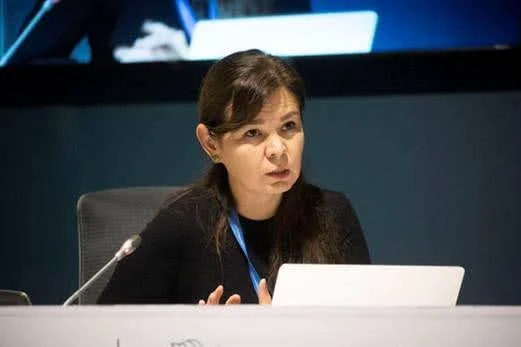
The International Indigenous Peoples Forum on Climate Change (IIPFCC) condemns the wrongful arrest of IIPFCC Co-Chair, Daria Egereva, and demands her immediate release.

Daria Egereva is a Selkup Indigenous person of Russia and a long-time member of the Centre for Support of Indigenous Peoples of the North (CSIPN). After many years of valued involvement in the Indigenous Peoples’ Caucus at the UNFCCC, she was elected Co-Chair of the IIPFCC in 2023.

On December 17th, Russian authorities searched Ms. Egereva’s home, confiscated her digital devices, and arrested her…

Opening Statement COP30

We celebrate this first COP held in the Amazon. However, the lack of commitment and ambition from Parties has brought us to irreversible tipping points.

The Presidency calls it the COP of implementation, yet we are still experiencing colonization in our territories, with the expansion of fossil fuels including in the Amazon, mining for transition minerals, carbon trading, the agribusiness industry, nuclear energy and uranium extraction, geoengineering, and large-scale renewable energy infrastructure. This perpetuates conflict, displacement, destruction, and contamination of our sacred places, as well as persecution, criminalization, and murder of our relatives.

We demand that all climate action must be carried out with full respect for the rights of Indigenous Peoples, including our right to self-determination, Free, Prior and Inform Consent, and the protection of lands, waters, and territories.

We therefore make the following recommendations:

  • The Just Transition Work Programme must uphold international human rights standards, including UNDRIP, explicitly protect Indigenous Peoples in Voluntary Isolation and Initial Contact, and redress the impacts of the extractive model.

  • Ensure direct, flexible, and culturally appropriate access to all forms of climate finance, considering our own financial mechanisms.

  • Ensure full and effective representation and participation in all decision-making processes, legal security of our territories, governance structures, and knowledge systems, especially in this COP, in NDCs and NAPs.

  • Acknowledge Indigenous women, youth, and persons with disabilities’ contributions to climate action, and ensure their meaningful participation.

This is an Indigenous COP, and we are distinct right-holders and protectors of our knowledge. We need actionable results that include our wisdom and science. This is not optional; it is critical to our collective survival.

IIPFCC Statement in Solidarity of Local Demonstrations in Belem

Declaração da IIPFCC em solidariedade às manifestações locais em Belém | Declaración de la FIPICC en solidaridad con las manifestaciones locales en Belém | Déclaration du FIPACC en solidarité avec les manifestations locales à Belém | Заявление IIPFCC в знак солидарности с местными демонстрациями в Белеме

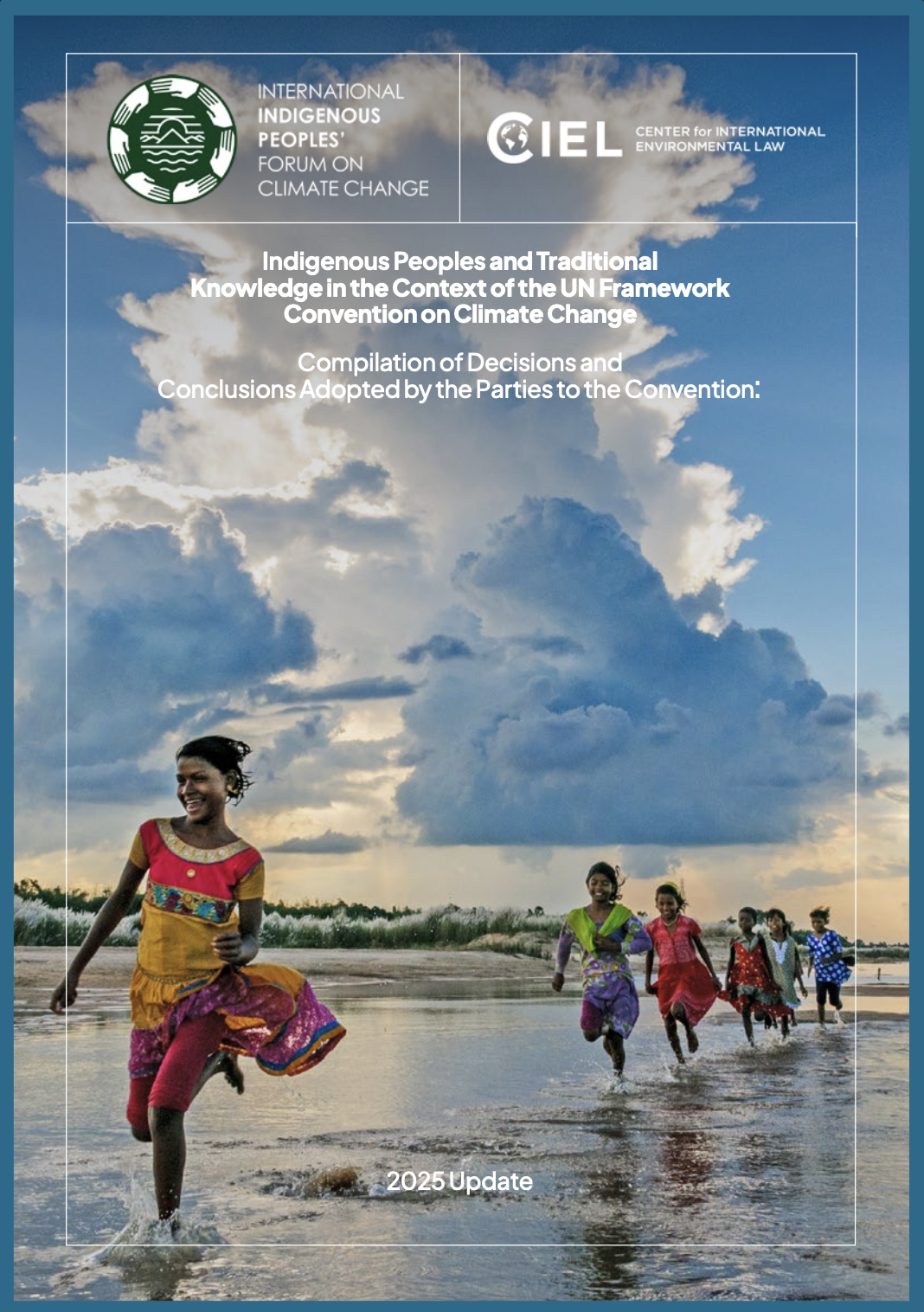
New Report: Indigenous Peoples and Traditional Knowledge in the Context of the UNFCCC

For decades, Indigenous Peoples have drawn upon knowledge and observations shared by their Elders and knowledge keepers and their reciprocal relationships with the natural world to raise awareness of the climate crisis. Because of their close relationship with their supportive ecosystems, Indigenous Peoples have acquired unique knowledge enabling them to understand, interpret, and react to the impacts of climate change. Their continued leadership has been essential to advancing rights-based frameworks during climate negotiations and is evident in documents such as the preamble of the Paris Agreement. 

The IPCC recognizes that drawing on meaningful participation and inclusive engagement processes of Indigenous Peoples, facilitates climate resilient development and allows locally appropriate and socially acceptable solutions. 

A rights-based approach — including commitments to uphold the minimum standards contained in the United Nations Declaration on the Rights of Indigenous Peoples — is essential to developing climate solutions grounded in equity, justice, and the self-determination of Indigenous Peoples.

In July 2025, the International Court of Justice reaffirmed the need to uphold Indigenous Peoples rights in the context of climate action. The InterAmerican Court of Human Rights also echoed this legal finding in its latest ruling, stressing the importance to respect, among others, Indigenous Peoples’ right to Free, Prior, Informed Consent.

Given their unique and critical role in climate negotiations, it is essential to understand Indigenous Peoples’ leadership with the United Nations Framework Convention on Climate Change (UNFCCC) and broader climate discourse. 

Indigenous Peoples and Traditional Knowledge in the Context of the UN Framework Convention on Climate Change lists all of the references to Indigenous Peoples and traditional knowledge adopted by the UNFCCC bodies up to the COP30— serving as a useful tool for all actors involved in climate policies and climate actions, including governments, private corporations, and financial institutions. It complements previous compilations published by the International Indigenous Peoples’ Forum on Climate Change and the Center for International Environmental Law (in 2018, 2019 and 2021). 

Read the compilation.

Second annual high-level ministerial roundtable on just transition during COP 29

Second annual high-level ministerial roundtable on just transition during COP 29

Intervention by the International Indigenous Peoples Forum on Climate Change (IIPFCC). Presented by Andrea Carmen, IITC, on behalf of the IIPFCC

INTERNATIONAL INDIGENOUS PEOPLES FORUM ON CLIMATE CHANGE FINAL ADVOCACY PAPER ON “JUST TRANSITION” FOR UNFCCC COP 28

“States shall consult and cooperate in good faith with the indigenous peoples concerned through their own representative institutions in order to obtain their free and informed consent prior to the approval of any project affecting their lands or territories and other resources…”

-        UN Declaration on the Rights of Indigenous Peoples Article 32 paragraph 2

1.     The only way to ensure achievement of the Paris Agreement Goal of 1.5 C global temperature rise, thereby limiting the adverse impacts on the ways of life, food and eco-systems of Indigenous Peoples around the world, is for all states to commit to an equitable and rights-based phase out of fossil fuels at COP 28, coupled with a commitment to a fair and just transition to sustainable, non-carbon-based energy sources.

2.     Current discussions of “Just Transition” which began at SBSTA in June 2023 are solution-based and can make a substantive contribution to the reduction of greenhouse gasses, prevention of loss and damage, protection of the planet’s eco-systems, biodiversity, and Indigenous Peoples ways of life.

3.     The term “Just Transition” and the criteria that govern its implementation have not yet been fully defined. We are concerned that unless the definition and criteria are clarified and confirmed, and rights and environmental safeguards are firmly established, projects carried out in the name of “Just Transition” will lead to greenwashing of destructive practices that further violate the rights of Indigenous Peoples, similar to the way “Nature-based” and “net-zero” solutions are being promoted and implemented.   

4.     Indigenous Peoples’ rights, perspectives, knowledge systems and lived experiences must be considered and taken into account in the definitions, criteria and implementation of “Just Transition” projects and programs.    

5.     The rights affirmed in the UN Declaration on the Rights of Indigenous Peoples, including inter alia Articles 12, 26, and 32, as well as the commitment in Preambular Paragraph 11 of the Paris Agreement, must provide a framework for defining what is “just” in this regard.

6.     The mining of transition minerals such as lithium, copper, nickel, chromium and helium, constructing of mega-dams, establishing palm oil and other mono-crop plantations, and building industrial wind farms are several examples of “Just Transition” being carried out on Indigenous Peoples’ lands and territories without their Free Prior and Informed Consent. This cannot be defined as a transition from “business as usual” and these activities certainly cannot be called “just”.    

7.     Recognizing that industrial agriculture also makes a substantial contribution to the creation of greenhouse gasses, including through soil degradation, mono-cultivation and deforestation, we call for the protection and restitution of agroecology based on Indigenous Peoples ancestral practices, knowledge and science, and a phase out of industrial agricultural practices as an essential component of “Just Transition.”        

8.     Indigenous Peoples’ knowledge, science, and time-tested practices can make substantial contributions to ongoing and current policy discussions and decisions regarding “Just Transition” including integration of ancestral as well as new sustainable technologies implemented with the Free Prior and Informed consent of the impacted Indigenous Peoples. Indigenous Peoples must therefore be full participants in all such discussions at the national and international levels.   

COP28 Indigenous Peoples Dialogue with the UN Climate Change High-Level Champions, the COP 28 Presidency, and the UNFCCC Secretariat

In line with the celebration of the Indigenous Peoples Day at COP28 the @iipfcc participated in the COP28 Indigenous Peoples Dialogue with the UN Climate Change High-Level Champions, the COP 28 Presidency, and the UNFCCC Secretariat on 5 December in the Blue Zone at the Expo City Dubai.

Indigenous Peoples are key agents of change for climate action and for ensuring a just transition for all. Growing evidence shows that Indigenous Peoples values, knowledge, practices, and ways of living are instrumental for environmental conservation, maintaining biodiversity, furthering green jobs, enhancing resilience, and addressing climate change.

The Dialogue focused on how collective action can support both Indigenous Peoples inclusion in just transition plans and highlight clear examples of how Indigenous Peoples are already leading and contributing to just and inclusive transitions.

@indigenousclimateaction @ndncollective @iiyf.climatechange @treaty_council @emairena @hindououmar


Opening Statement by the IIPFCC at COP28

On Day 1 of COP28, Pema Wangmo Lama Mugum, an Indigenous Youth activist from the Mugum Indigenous Nations in Asia, from the National Indigenous Women's Federation - NIWF NEPAL read the International Indigenous Peoples Forum on Climate Change opening statement.

“We commit to working with States to implement real solutions based on our knowledge, practices, time-tested sciences, reciprocity with the natural world and Mother Earth, and the full exercise of our rights. Our collective survival is at stake and our children and future generations require action without delay.” ~ Pema Wangmo Lama Mugum, Mugum Indigenous Nations

> Watch the full opening statement here: https://www.youtube.com/live/kh872ctTc10?si=o8HCzlyuIQqmN4LH

Download
English version

Indigenous Peoples Pavilion and Launch of Call-for-Sessions

Good morning relatives,

We are pleased to announce that the Indigenous Peoples Pavilion at COP 28 in Dubai has been confirmed! We have been allocated 180 m2 in the Blue Zone in a pre-existing building. The building will also have a separate office. We have formed a committee with representatives from all regions that will be responsible for the selection of proposals and the design.

Thanks to this group, we are excited to launch the Call for Sessions for the Indigenous Peoples Pavilion. We invite Indigenous Peoples, Indigenous organisations, support organisations, and Parties to submit events – such as presentations, policy dialogues, roundtables and publication launches –  and artistic demonstrations – such as images and videos – by 18 September 2022. Please note that those wishing to present a session in person need UNFCCC accreditation ('a badge').

For more information,
please see the call for sessions here 

If you have any questions, please contact Rosario Carmona (rosariocarmonayost@gmail.com).

The position of Indigenous Peoples in relation to the Cover Decision of COP27

The position of Indigenous Peoples in relation to the Cover Decision of COP27, which is in the hands of the COP Presidency.

Calling Egypt to:
- Build upon the progress made
- Refer to the eleventh preambular paragraph of the Paris Agreement
- Include a new preambular paragraph drafted by Indigenous Peoples

Statement of the IIPFCC at the Joint Opening Plenary at COP27

Statement of the International Indigenous Peoples Forum on Climate Change (IIPFCC),

Joint Opening Plenary at COP27, Sharm El Sheikh, Egypt November 6, 2022

The IIPFCC statement was delivered by youth representative, Mr. Nourene Ahmat Yaya

Climate change is a matter of life and death. State actions have fallen far short, Greenhouse gas emissions and global temperatures are increasing, threatening genocide for Indigenous Peoples in Africa, the Arctic, Coastal, Small Island and all other ecosystems.

Indigenous Peoples’ rights are inherent, collective and internationally recognized, including rights to life, self-determination, lands and territories, food systems, and free prior and informed consent. We will not allow these rights to be diminished by conflating us with minorities, vulnerable groups or local communities.

We have the right to full and direct participation, including our youth, women, persons with disabilities and knowledge holders, in all UNFCCC bodies and processes including the new Article 6 grievance mechanism and the creation of a new financing mechanism accessible to Indigenous Peoples from all regions and eco-systems.

Carbon markets and offsets, geo-engineering, “Net Zero” frameworks, “Nature-based solutions”, “ecosystem services” do not cut emissions and are new forms of colonization.

The NDC’s must include clear indicators for drastic reduction of greenhouse gas emissions, including the accelerated phase out of fossil fuels in order to maintain the 1.5-degree Paris commitment. The Paris Agreement also commits States to respect, promote and consider their obligations to the rights of Indigenous Peoples in climate action. The Global Stock Take must focus on implementation of these commitments.

We commit to real solutions based on our knowledge, practices and time-tested sciences, and the full exercise of our rights, at the United Nations and in our own territories. We will continue to work with you for the survival of our children, and yours.

Thank you.

Note: This statement presented yesterday (in Arabic) by an Indigenous representative from the African Region last night in the plenary at formal opening of the COP 27 in Sharm el-Sheikh Egypt.  The statement was limited to 2 minutes and a longer version was submitted to post. The IIPFCC statement was adopted after several hours of discussion by the entire Indigenous Peoples Caucus during preparatory meeting this past weekend.  More than 200 IPs representatives from all regions are present.

Indigenous Peoples' Caucus Preparatory Meetings 5th & 6th November

The Indigenous Peoples’ Caucus Preparatory meeting will take place from the 09:00-19:00 on Saturday 5th November, and 09:00 - 18:00 on 6th November, at the Kalimera Restaurant of the Marina Hotel. Located with a view of Naama Bay, we have reserved an area which is partially outside. The venue is accessible for mobility impaired participants. If you have any accessibility needs, please contact us in advance or on arrival.

Address: Kalimera Restaurant at the Marina Hotel, Naama Bay, Al Sultan Qabous-Mashaba, 46628, Egypt (Google Maps: https://goo.gl/maps/nYKNSDS6qifFiQAZ7 )

Please see the attached documents below for the draft agenda.


La reunión preparatoria del Cónclave de los Pueblos Indígenas tendrá lugar de 09:00 a 19:00 horas el sábado 5 de noviembre, y de 09:00 a 18:00 horas el 6 de noviembre, en el Restaurante Kalimera del Hotel Marina. Situado con vistas a la bahía de Naama, hemos reservado una zona parcialmente exterior. El lugar es accesible para los participantes con problemas de movilidad. En caso de necesitar algún tipo de accesibilidad, póngase en contacto con nosotros con antelación o a su llegada.

Dirección: Restaurante Kalimera en el Hotel Marina, Bahía de Naama, Al Sultan Qabous-Mashaba, 46628, Egipto

(Google Maps: https://goo.gl/maps/nYKNSDS6qifFiQAZ7 )

En los documentos adjuntos encontrará el proyecto de orden del día.


8th Meeting of the Facilitative Working Group (FWG)

The 8th Meeting of the Facilitative Working Group (FWG 7) will take place from 1-4 November 2022 at Zone D Meeting Room 5 of COP 27 venue in Sharm El-Sheikh, Egypt. See the agenda for more details: Click here.

For further information contact the LCIPP team via lcipp@unfccc.int

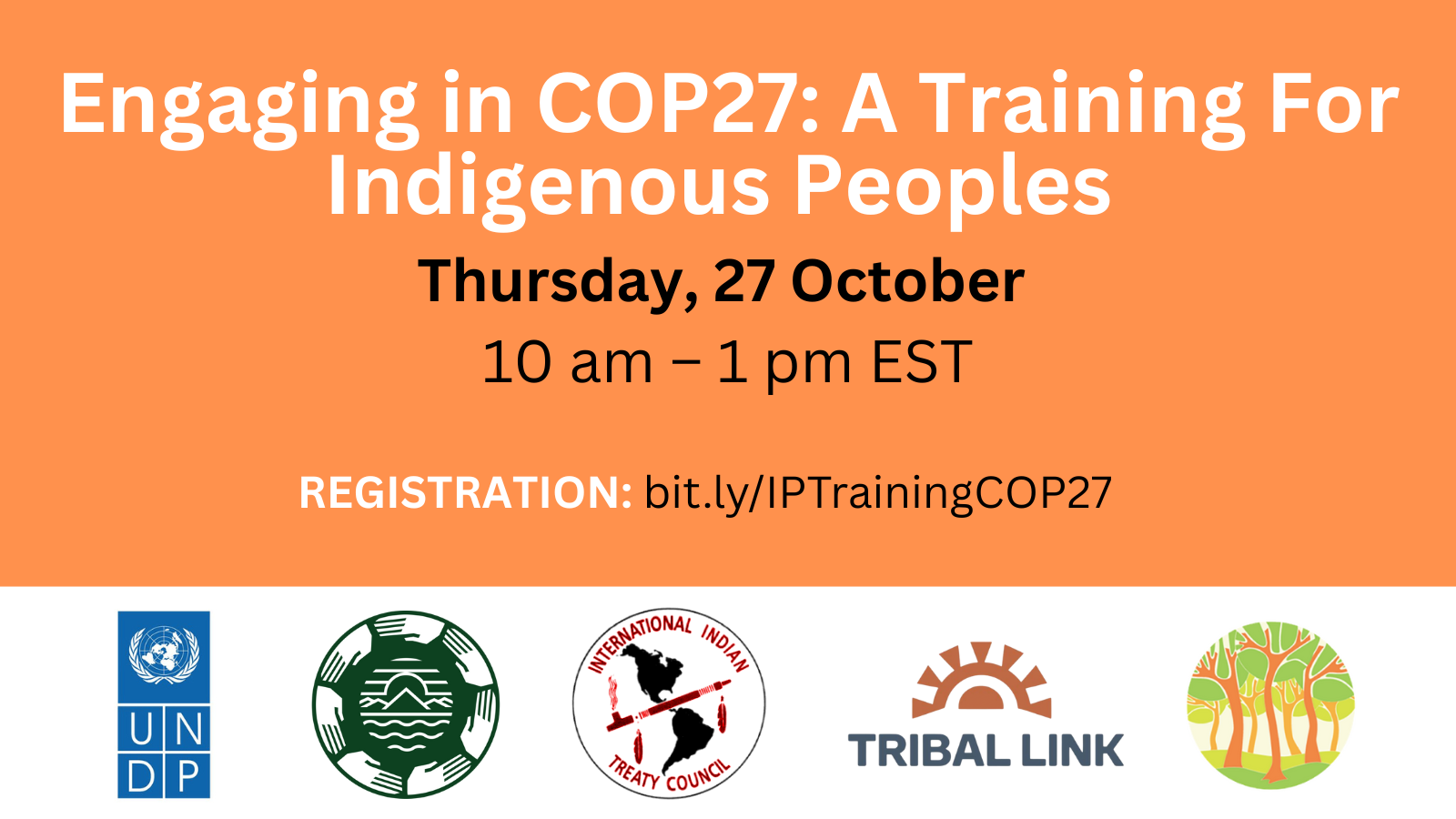
ENGAGING IN COP27: A TRAINING FOR INDIGENOUS PEOPLES

ENGAGING in COP27: A Training For Indigenous Peoples

Thursday, 27 October

10am – 1pm EST

The following presentations will take place, with an opportunity for questions
and discussion on each topic:

  • History of Indigenous Peoples’ Engagement and Opportunities to Engage
    in the UNFCCC: Andrea Carmen, Executive Director, International Indian
    Treaty Council and former Co-Chair, Facilitative Working Group of the Local
    Community and Indigenous Peoples Platform

  • Entry Points into UNFCCC Negotiations and Agenda for COP27: Graeme
    Reed, Co-chair, International Indigenous Peoples Forum on Climate Change;
    Climate Adviser, Assembly of First Nations, Canada

  • Nationally Determined Contributions (NDCs) and COP27 101: Sameera
    Savarala, Programme Specialist, NDCs and Negotiations, UNDP Climate
    Promise

  • Closing remarks: Rochelle Diver, International Indian Treaty Council

Simultaneous interpretation available in Spanish, French, Portuguese

REGISTER HERE

IIPFCC / FIPICC Pavilion: Call for Proposals at COP 27 / Convocatoria de Propuestas para la COP 27 / Call for proposals for COP 27

*Español más abajo / En français ci-dessous

The International Indigenous Peoples Forum on Climate Change (IIPFCC) is now accepting proposals for events and exhibits to be held at the Indigenous Peoples' Pavilion during COP27 in Sharm el-Sheikh, Egypt. The Pavilion, located in the Blue Zone, will facilitate the effective representation of Indigenous Peoples by communicating and amplifying their messages during the COP27 negotiations. It will also serve as a learning and knowledge exchange center on Indigenous Peoples' issues in the climate context, showcasing solutions based on Indigenous knowledge. To this end, it will convene online and hybrid events such as presentations, policy dialogues and panel discussions.

This Open Call for Proposals invites Indigenous Peoples, Indigenous organizations, supportive organizations, and Parties to submit the events they would like to host at the Pavilion by September 12, 2022. For those interested, please fill complete the Call-for-Sessions (https://forms.gle/hAmaNuXmLw6JMGaEA). For questions, please reach out to Rosario Carmona (rosariocarmonayost@gmail.com).

===============
El Foro Internacional de Pueblos Indígenas sur Cambio Climático está aceptando propuestas de events y exposiciones a realizarse en el Pabellón de los Pueblos Indígenas during COP27 in Sharm el-Sheikh, Egypt. El Pabellón will be planned and programmed by a team of indigenous representatives from the FIPICC region: Africa, el Ártico, Asia, América Latina y el Caribe, América del Norte, el Pacífico y Rusia y Europa del Este.

El Pabellón, located in the Zona Azul, will be a platform visible to communicate and amplify the messages of the indigenous pueblos during the COP27 negotiations. Its purpose is to facilitate the effective representation of the indigenous pueblos, providing a meeting space dedicated to coordinating the communication and promotion strata, as well as also amplifying the solutions of the indigenous pueblos before the climatic climate basadas en el conocimiento indígena. También will serve as a center of learning and interaction of conocimientos on the problems of the indigenous pueblos in the climatic context. Para ello, convocará events como presentationaciones, diálogos políticos, mesas redondas, lanzamientos de publicaciones, etc. Estos events serán tanto presenciales como hybridos,

Al igual que en años anteriores, el Pabellón de los Pueblos Indígenas will attract high level attention, with ministers of Estado, ministers and other functionaries and political leaders, medios de comunicación mundiales y miembros del public in general que visitarán el espacio y participarán en su programa.

Esta convocatoria para propuestas invita a los pueblos indigenas, las organizaciones indígenas, las organizaciones solidarias y las Partis a presentar propuestas de events antes del 16 de septiembre de 2022. the UNFCCC ("una credential").

If you preguntas, póngase in contacto con rosariocarmonayost@gmail.com

==================================

Le Forum international des peuples autochtones sur le changement climatique (FIPACC) accepte désormais les propositions d'événements et d'expositions qui se tiendront au Pavillon des peuples autochtones pendant la COP27 à Sharm el-Sheikh, en Égypte. Le Pavillon, situé dans la Zone Bleue, facilitera la représentation effective des Peuples Autochtones en communiquant et amplifiant leurs messages pendant les négociations de la COP27. Il servira également de centre d'apprentissage et d'échange de connaissances sur les questions relatives aux peuples autochtones dans le contexte climatique, en présentant des solutions fondées sur le savoir autochtone. À cette fin, il organisera des événements en ligne et hybrides, tels que des présentations, des dialogues politiques et des tables rondes.

Cet appel à propositions ouvert invite les peuples autochtones, les organisations autochtones, les organisations de soutien et les parties à soumettre les événements qu'ils souhaitent organiser au Pavillon avant le 12 septembre 2022. Les personnes intéressées sont invitées à remplir l'appel à propositions (https://forms.gle/hAmaNuXmLw6JMGaEA). Pour toute question, veuillez contacter Rosario Carmona (rosariocarmonayost@gmail.com).